

Kidney disease often develops quietly, without dramatic pain or obvious symptoms in its early stages. This is why recognizing the early signs of kidney disease is so critical—early awareness can mean the difference between manageable treatment and irreversible damage. At Kidney MD, Saving Kidneys, Saving Lives, we focus on prevention, education, and timely care to help patients protect their kidney function before complications arise.
Your kidneys work around the clock to filter waste, balance fluids, regulate blood pressure, and support overall health. When something goes wrong, the body often sends subtle signals long before a diagnosis is made. Learning to listen to those signals is one of the most powerful steps you can take for your long-term well-being.
Why Early Detection Matters More Than You Think
Kidney disease is progressive, meaning it tends to worsen over time if left untreated. In its initial phases, damage may be mild and even reversible. However, once significant scarring occurs, kidney function cannot be restored—only preserved.
Many patients delay seeking care because the symptoms seem minor or unrelated. Unfortunately, this delay is one of the main reasons kidney disease advances unnoticed. Understanding how to identify kidney problems early detection can significantly reduce the risk of long-term complications such as dialysis or kidney failure.
Subtle Symptoms That Should Raise Concern
The body often gives warning signs that are easy to dismiss as stress, aging, or lifestyle-related fatigue. These early kidney disease symptoms may appear gradually and vary from person to person.
Some of the most common changes include:
- Persistent fatigue or low energy
- Difficulty concentrating or mental fog
- Swelling in the ankles, feet, hands, or around the eyes
- Changes in urination frequency or appearance
- Foamy or bubbly urine
- Trouble sleeping
- Dry, itchy skin
- Muscle cramps, especially at night
While none of these signs alone confirm kidney disease, patterns and persistence matter. If symptoms continue or worsen, they should not be ignored.
Urinary Changes: A Critical Red Flag
Your urine provides valuable insight into kidney health. The kidneys regulate fluid and waste removal, so changes here often reflect internal issues.
Potential kidney disease symptoms related to urination include:
- Urinating more often at night
- Decreased urine output
- Dark, cloudy, or tea-colored urine
- Blood in the urine
- Pain or pressure while urinating
These signs warrant prompt medical evaluation, especially if they appear suddenly or alongside swelling or fatigue.
Recognizing Early Functional Decline
As kidney function begins to decrease, the body struggles to maintain balance. This stage may be associated with early kidney failure signs that are often mistaken for general health issues.
These may include:
- Persistent nausea or loss of appetite
- Unexplained weight changes
- Increased blood pressure
- Sensitivity to cold
- Shortness of breath from fluid buildup
- Metallic taste in the mouth
At this point, early intervention is critical to slow disease progression and preserve remaining kidney function.
Chronic Kidney Disease: Symptoms That Evolve Over Time
Chronic kidney disease develops gradually and can progress silently for years. Recognizing the symptoms of chronic kidney disease requires attention to changes that may seem unrelated at first but grow more noticeable over time.
These can include:
- Worsening swelling
- Consistent high blood pressure
- Ongoing digestive discomfort
- Weakness or reduced physical endurance
- Frequent infections
- Difficulty regulating blood sugar levels
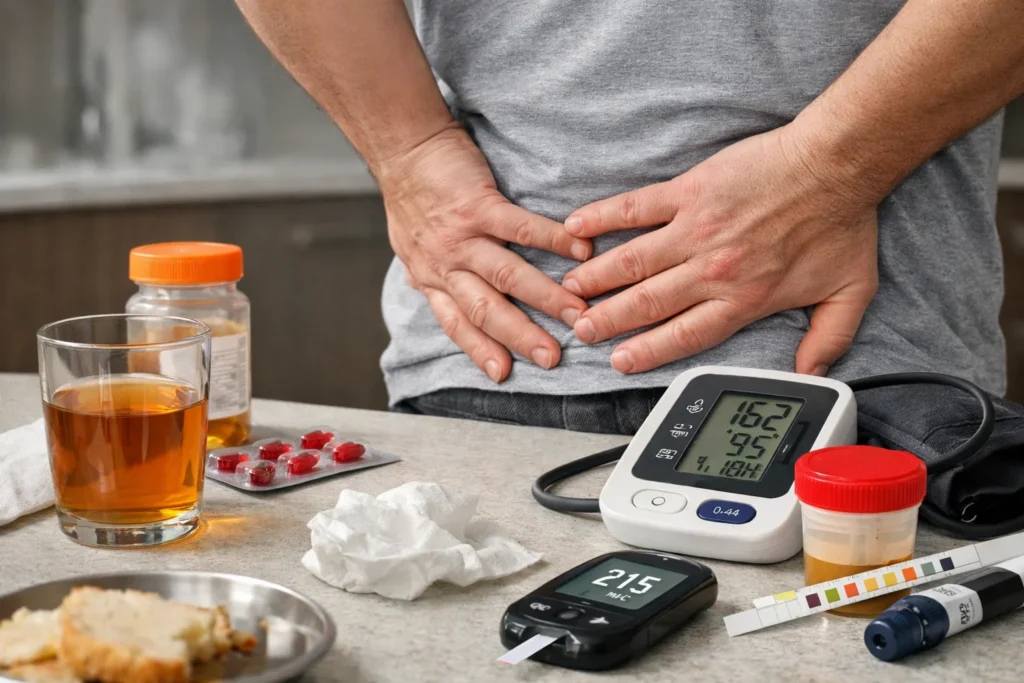
Because CKD symptoms overlap with many other conditions, routine blood and urine testing is essential—especially for individuals with diabetes, hypertension, or a family history of kidney disease.
Who Is at Higher Risk?
Certain populations are more vulnerable to kidney damage and should be especially alert to kidney health warning signs.
High-risk groups include:
- People with diabetes or high blood pressure
- Adults over the age of 60
- Individuals with cardiovascular disease
- Those with autoimmune disorders
- People who regularly use NSAIDs or certain medications
- Individuals with a family history of kidney disease
If you fall into any of these categories, proactive monitoring can significantly improve outcomes.
Knowing When to Seek Specialized Care
Primary care providers play a vital role in early screening, but there are times when specialized kidney care becomes necessary. Understanding when to see a nephrologist can prevent further damage and ensure appropriate treatment.
You should consider referral to a kidney specialist if:
- Blood or urine tests show declining kidney function
- Protein is consistently present in urine
- Blood pressure remains uncontrolled
- Symptoms worsen despite treatment
- You experience repeated urinary abnormalities
A nephrologist can provide advanced diagnostics, personalized treatment plans, and guidance to slow disease progression.
Practical Steps to Protect Your Kidney Health
Awareness is only the first step—action is what truly protects your kidneys. Incorporating kidney-conscious habits into daily life supports long-term health and reduces disease risk.
Kidney-Smart Lifestyle Tips
- Stay consistently hydrated
- Limit salt and processed foods
- Manage blood sugar and blood pressure carefully
- Avoid smoking and excessive alcohol intake
- Maintain a healthy weight
- Exercise regularly, even moderately
- Take medications only as prescribed
- Schedule routine lab work and checkups
These steps are simple but powerful, especially when started early.
- Understanding kidney disease symptoms before they worsen
- Recognizing early kidney failure signs
- Learning when to see a nephrologist
- Identifying subtle kidney health warning signs
- Monitoring symptoms of chronic kidney disease
- Importance of routine testing for kidney problems early detection
- Why early awareness prevents long-term complications
- How lifestyle habits impact kidney function
- Risk factors that increase kidney disease likelihood
- The value of proactive kidney care
Conclusion
Kidney disease rarely announces itself loudly in the beginning, but the body always provides clues. Paying attention to changes, seeking timely evaluation, and committing to preventive care can protect your kidneys for years to come. At Kidney MD, Saving Kidneys, Saving Lives, we believe that early action empowers patients to take control of their health, preserve kidney function, and improve quality of life.