
High blood pressure is often called the “silent killer” because it can cause serious damage long before symptoms appear. One of the organs most affected by uncontrolled blood pressure is the kidneys. The connection between hypertension and kidney damage is powerful, progressive, and frequently underestimated. At Kidney MD, Saving Kidneys, Saving Lives, we focus on early education and prevention to help patients protect their kidney function before irreversible harm occurs.
Your kidneys filter waste, regulate fluids, balance electrolytes, and help control blood pressure itself. When blood pressure remains elevated, this delicate system is placed under constant strain. Over time, that strain can lead to permanent loss of kidney function—often without noticeable warning signs.
Why High Blood Pressure Is So Dangerous to the Kidneys
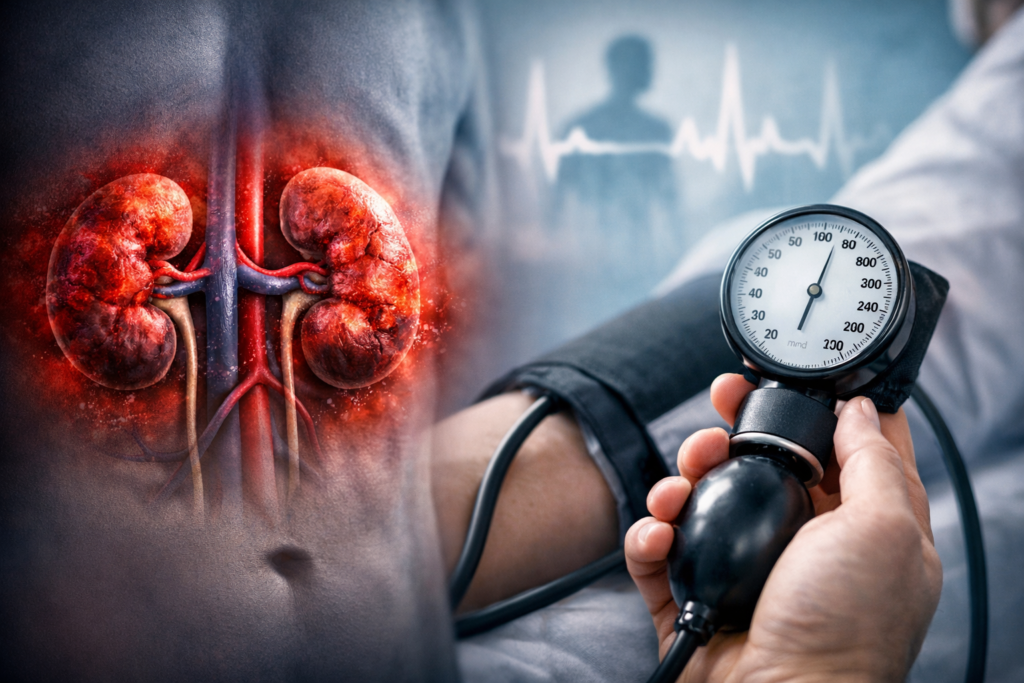
Each kidney contains millions of tiny filtering units called nephrons. These filters rely on healthy blood vessels to function properly. When pressure inside the vessels is consistently too high, the vessel walls thicken and narrow, reducing blood flow to the kidneys.
This process explains the close link between high blood pressure and kidney disease, as reduced circulation limits the kidneys’ ability to remove toxins and excess fluid. As damage progresses, the kidneys become less effective, which can further increase blood pressure—creating a dangerous cycle.
How Blood Pressure Gradually Harms Kidney Function
Unlike acute injuries, hypertension damages the kidneys slowly. Many people feel completely fine while structural damage is quietly advancing. Understanding the blood pressure effects on kidneys helps explain why early control is so critical.
Prolonged high pressure can:
- Scar kidney tissue
- Reduce filtration efficiency
- Cause protein to leak into urine
- Disrupt fluid and sodium balance
- Increase the risk of chronic kidney disease
By the time symptoms develop, kidney damage is often already significant.
The Silent Progression of Kidney Injury
One of the most concerning aspects of blood pressure–related kidney injury is how easily it goes unnoticed. Many individuals do not experience pain or obvious discomfort until advanced stages.
Early changes may include:
- Slight swelling in the ankles or feet
- Increased nighttime urination
- Foamy or bubbly urine
- Mild fatigue
- Subtle increases in blood pressure readings
Because these signs are easy to overlook, regular monitoring is essential—especially for individuals with known risk factors.
Understanding Your Personal Risk
Not everyone with high blood pressure will develop kidney disease, but certain conditions increase vulnerability. Recognizing kidney disease risk factors allows patients and providers to act earlier and more effectively.
Common risk factors include:
- Long-standing uncontrolled blood pressure
- Diabetes
- Family history of kidney disease
- Obesity
- Smoking
- High-sodium diets
- Sedentary lifestyle
- Age over 60
The more risk factors present, the more important proactive kidney care becomes.
Why Blood Pressure Control Protects Kidney Health
Managing blood pressure is one of the most effective ways to preserve kidney function. The concept of hypertension for kidney health centers on keeping pressure within target ranges to reduce strain on kidney blood vessels.
Effective blood pressure management may include:
- Prescription medications
- Dietary sodium reduction
- Weight management
- Regular physical activity
- Stress reduction
- Limiting alcohol intake
When blood pressure is controlled, kidney damage can often be slowed—or even prevented.
The Role of Lifestyle Choices
Daily habits strongly influence blood pressure and kidney health. Small changes, when maintained consistently, can have a profound impact over time.
Kidney-protective lifestyle strategies include:
- Preparing meals at home to control sodium
- Eating fresh fruits and vegetables
- Staying adequately hydrated
- Exercising at least 30 minutes most days
- Avoiding tobacco products
- Getting sufficient sleep
These habits reduce vascular stress and support overall kidney resilience.
When Kidney Damage Becomes Advanced
As injury progresses, the kidneys lose their ability to maintain balance in the body. This stage of kidney damage may lead to more noticeable symptoms such as:
- Persistent swelling in legs or hands
- Shortness of breath from fluid buildup
- Difficulty controlling blood pressure
- Nausea or loss of appetite
- Trouble concentrating
- Increased risk of cardiovascular events
At this point, specialized nephrology care becomes essential to slow progression and manage complications.
The Importance of Early Screening
Because high blood pressure–related kidney injury is often silent, routine screening plays a crucial role in prevention. Simple blood and urine tests can detect early changes long before symptoms appear.
Recommended screening may include:
- Blood pressure monitoring
- Blood tests for kidney function
- Urine tests for protein
- Imaging studies when needed
Early detection allows providers to adjust treatment plans and prevent further decline.
Partnering With a Kidney Specialist
Patients with persistent high blood pressure or early signs of kidney involvement benefit from specialized care. Nephrologists focus on preserving kidney function, optimizing blood pressure control, and coordinating long-term management.
At Kidney MD, Saving Kidneys, Saving Lives, our team works closely with patients to develop personalized strategies that protect kidney health and improve overall outcomes.
Conclusion
High blood pressure may not cause immediate discomfort, but its long-term impact on the kidneys can be life-altering. By understanding the risks, monitoring health markers, and making informed lifestyle choices, patients can take meaningful steps to protect their kidneys. At Kidney MD, Saving Kidneys, Saving Lives, we believe that early action and consistent care are the keys to preserving kidney function and improving quality of life—today and for years to come.